Pages

Wednesday, November 19, 2025

Milkogen for Cattle


In the ever-evolving world of cattle farming, innovation and nutrition play pivotal roles in determining the health, productivity, and profitability of dairy operations. Among the myriad of nutritional supplements available today, Milkogen for cattle has emerged as a game-changer. This comprehensive guide explores everything you need to know about Milkogen, its benefits, usage, and how it can revolutionize your dairy farming practices.


1. Introduction to Milkogen for Cattle

In the competitive world of dairy farming, farmers are constantly seeking innovative solutions to improve milk yield, enhance animal health, and reduce feed costs. Traditional feed supplements have served as valuable tools, but advancements in animal nutrition have led to the development of specialized products like Milkogen. This supplement is designed to optimize milk production and overall cattle well-being.


2. What is Milkogen?

Milkogen is a scientifically formulated supplement tailored for dairy cattle. It is enriched with a unique blend of natural ingredients, minerals, and nutrients that work synergistically to boost lactation, improve digestion, and strengthen immunity. Unlike generic feed additives, Milkogen targets specific physiological processes to deliver tangible results.

Key Features of Milkogen:


3. The Science Behind Milkogen: How Does It Work?

Understanding the mechanism of action of Milkogen is essential to appreciate its benefits fully. The supplement works at multiple physiological levels:

a. Stimulating Lactation

Milkogen contains lactogenic compounds that stimulate mammary gland activity, leading to increased milk production. These compounds may include herbal extracts and amino acids that promote milk synthesis. Supreme Alfalfa hay

b. Improving Digestive Efficiency

A healthy digestive system is crucial for nutrient absorption. Milkogen includes prebiotics and enzymes that enhance gut health, ensuring cattle derive maximum nutrition from their feed.

c. Boosting Immunity

With added minerals like zinc, selenium, and vitamins, Milkogen bolsters the immune system, reducing susceptibility to common cattle ailments.

d. Reducing Stress and Enhancing Overall Well-Being

Stress can negatively impact milk yield. Ingredients in Milkogen help mitigate stress effects, ensuring cattle remain comfortable and productive.


4. Benefits of Using Milkogen in Cattle Nutrition

Implementing Milkogen into your cattle management routine offers numerous advantages:

a. Increased Milk Yield

Numerous farmers report significant increases in daily milk production, sometimes up to 15-20%, after incorporating Milkogen.

b. Improved Milk Quality

Beyond quantity, Milkogen enhances milk fat and protein content, leading to higher-quality dairy products.

c. Better Reproductive Health

Healthy nutritional support can improve fertility rates and reduce calving intervals.

d. Enhanced Digestive Health

By promoting a balanced gut flora, Milkogen reduces digestive disturbances like bloating and indigestion.

e. Strengthened Immunity

Reduced disease incidence translates into lower veterinary costs and less farm downtime.

f. Cost-Effectiveness

By boosting productivity and reducing health issues, Milkogen offers a favorable return on investment.


5. How to Administer Milkogen to Your Cattle

Proper administration is key to maximizing the benefits of Milkogen:

a. Dosage Recommendations

  • Dairy Cattle: Typically, 10-20 grams per animal daily, mixed with feed or dissolved in water.
  • Pregnant or Lactating Cows: Follow veterinarian guidance for specific dosages.

b. Feeding Schedule

  • Administer regularly, ideally at the same time each day.
  • Combine with existing feed to ensure uniform distribution.

c. Duration of Use

  • For best results, use Milkogen continuously for at least 60 days.
  • During peak lactation, consider extending usage as recommended by a veterinary professional.

6. Milkogen vs Traditional Supplements: A Comparative Analysis

FeatureMilkogenTraditional Supplements
CompositionHerbal extracts, minerals, amino acidsOften synthetic, limited bioavailability
EffectivenessProven to increase milk yieldVariable, dependent on formulation
SafetyNatural ingredients, minimal side effectsPossible adverse reactions
CostCompetitive, with high ROIVaries, often less effective

Choosing Milkogen over generic supplements ensures a scientifically backed, safe, and effective approach to cattle nutrition.


7. Safety and Precautions When Using Milkogen

While Milkogen is generally safe, adherence to guidelines is essential:

  • Use as per recommended dosage.
  • Consult a veterinarian before starting new supplements.
  • Monitor cattle for any adverse reactions.
  • Store in a cool, dry place away from direct sunlight.

8. Real-Life Success Stories and Testimonials

Farmers worldwide have experienced remarkable improvements with Milkogen:

Case Study 1:
Rajesh Kumar, a dairy farmer in Punjab, increased his milk yield by 18% within two months of using Milkogen. His herd showed improved health and reproductive performance.

Testimonial:
"Milkogen has transformed my dairy farm. My cows are healthier, and my milk production has never been better." – Anjali S., Maharashtra


9. Choosing the Right Milkogen Product for Your Farm

Not all Milkogen products are created equal. When selecting a product:

  • Check for quality certifications.
  • Prefer products with transparent ingredient lists.
  • Purchase from reputable suppliers.
  • Consult your veterinarian for personalized recommendations.

10. Frequently Asked Questions (FAQs)

Q1: Is Milkogen suitable for all breeds of cattle?
A: Yes, Milkogen is formulated to benefit all dairy cattle breeds.

Q2: Can Milkogen be used alongside other supplements?
A: Consult a veterinarian, but generally, it can be integrated into existing feeding routines.

Q3: How long before I see results?
A: Most farmers notice improvements within 4-6 weeks of consistent use.

Q4: Are there any side effects?
A: When used as directed, Milkogen is safe with minimal risk of side effects.


11. Conclusion: Elevate Your Dairy Farm with Milkogen

In the quest for higher productivity, healthier cattle, and sustainable dairy farming, Milkogen for cattle stands out as a scientifically validated, natural, and effective supplement. Its multifaceted approach—boosting milk production, enhancing immunity, and improving overall health—makes it an invaluable addition to modern dairy management.

By integrating Milkogen into your feeding program, you're investing in the future of your farm, ensuring better yields, healthier animals, and increased profitability. Embrace the power of innovation and nutrition—choose Milkogen today and witness transformative results!


Monday, November 17, 2025

Supreme Alfalfa Hay for Animal Consumption


In the world of animal husbandry, providing the best nutrition for your livestock is paramount. Among various forage options, supreme alfalfa hay stands out as a highly nutritious, versatile, and beneficial feed choice for a broad range of farm animals. Whether you’re a seasoned farmer, a pet owner with livestock, or someone considering the most effective way to boost your animals’ health, understanding the importance of high-quality alfalfa hay is essential.

In this comprehensive guide, we delve into everything you need to know about supreme alfalfa hay for animal consumption — its benefits, nutritional profile, harvesting process, storage tips, and how it compares to other forage options. By the end of this article, you'll be equipped with expert knowledge to make informed decisions about incorporating supreme alfalfa hay into your livestock feeding regimen.


What Is Supreme Alfalfa Hay?

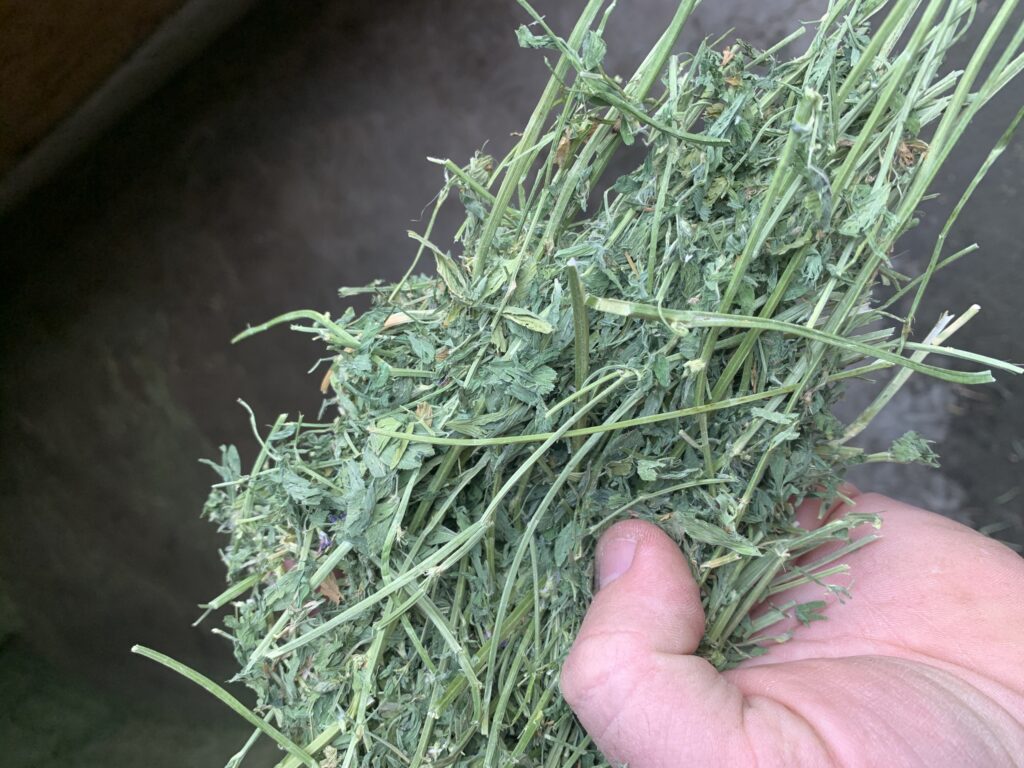
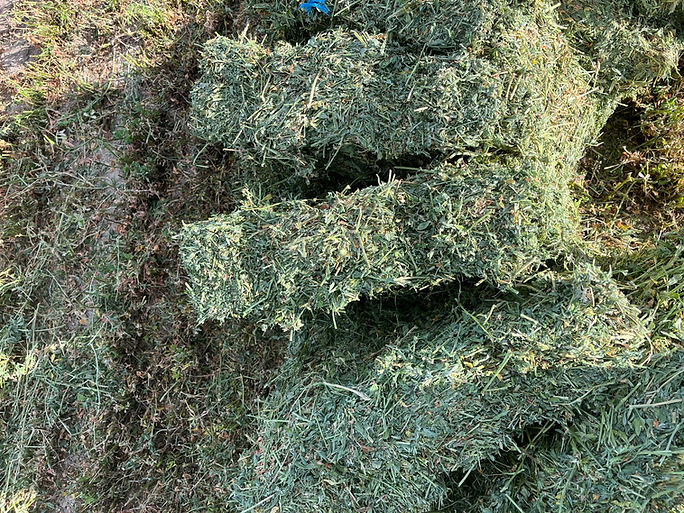
Alfalfa (Medicago sativa) is a perennial flowering plant widely regarded as one of the most nutrient-dense forages available. Supreme alfalfa hay refers to high-quality, carefully harvested, and processed alfalfa hay that retains maximum nutritional value, palatability, and digestibility. The term “supreme” indicates superior quality, often characterized by:

Supreme Alfalfa Hay, Supreme Alfalfa Hay for Animal Consumption, Alfalfa Hay,

  • Green, vibrant color
  • Fine, soft texture
  • Absence of dust, mold, or weeds
  • Optimal leaf-to-stem ratio
  • Proper curing and drying process

Supreme alfalfa hay is typically harvested at the right maturity stage, ensuring the optimal balance of nutrients, particularly protein, fiber, and minerals.


The Nutritional Profile of Supreme Alfalfa Hay

Understanding the nutritional content of alfalfa hay is vital for assessing its suitability for your animals. Here’s what makes supreme alfalfa hay an excellent choice:

1. High Protein Content

Alfalfa is renowned for its high crude protein levels, often ranging from 15% to 22%, depending on harvest timing and quality. This makes it especially beneficial for growing animals, lactating females, and breeding stock, supporting muscle development, milk production, and overall growth.

2. Rich in Vitamins and Minerals

Supreme alfalfa hay is a natural source of essential nutrients such as:

  • Vitamin A
  • Vitamin D
  • Vitamin E
  • Calcium
  • Phosphorus
  • Potassium
  • Magnesium

These nutrients are critical for bone development, immune function, reproduction, and metabolic processes.

3. Digestible Fiber

The fiber in alfalfa supports healthy digestion and gut motility in animals. The digestibility of supreme alfalfa hay ensures that animals can efficiently extract nutrients, reducing waste and improving feed conversion ratios.

4. Balanced Energy Levels

While alfalfa provides energy primarily through its carbohydrate content, it maintains a balanced profile that prevents excessive weight gain or metabolic disorders when fed appropriately.


Benefits of Feeding Supreme Alfalfa Hay to Animals

Supreme Alfalfa Hay, Supreme Alfalfa Hay for Animal Consumption, Alfalfa Hay,
Feeding your livestock with supreme alfalfa hay offers numerous advantages, making it a preferred forage among farmers and pet owners alike:

1. Promotes Optimal Growth and Development

The high protein and nutrient content support muscle growth, bone strength, and overall development, especially in young animals and breeding stock.

2. Enhances Milk Production

Lactating dairy animals benefit from the increased nutritional density of supreme alfalfa hay, which can lead to higher milk yields and better milk quality.

3. Supports Reproductive Health

Adequate nutrition from alfalfa can improve fertility rates and reproductive success in breeding animals.

4. Improves Digestive Health

Rich in digestible fiber, alfalfa hay promotes healthy gut flora and prevents digestive issues such as bloating or impaction.

5. Boosts Immune Function

The vitamins and minerals in supreme alfalfa hay contribute to a robust immune system, helping animals resist diseases.

6. Cost-Effective and Versatile

High-quality alfalfa hay can serve as the cornerstone of a balanced diet, reducing the need for expensive supplements and providing flexibility across different animal types.


How to Select Supreme Alfalfa Hay: Key Indicators of Quality

Not all alfalfa hay is created equal. To ensure your animals receive the best nutrition, it’s crucial to select premium quality hay. Here are the key indicators of supreme alfalfa hay:

  • Color: Bright green color indicates freshness and high nutrient levels.
  • Texture: Soft, leafy, and fine stems suggest proper harvesting and curing.
  • Smell: A sweet, fresh aroma is a sign of good quality, while musty or moldy odors indicate spoilage.
  • Leaf-to-Stem Ratio: A high leaf content (at least 40-50%) enhances nutritional value.
  • Absence of Dust and Mold: Clean, dust-free hay prevents respiratory issues and allergic reactions.
  • Moisture Content: Properly dried hay (around 15-20% moisture) reduces mold risk and preserves nutrients.

Harvesting and Processing Supreme Alfalfa Hay

The quality of alfalfa hay heavily depends on the harvesting and curing process. Here’s an overview of best practices:

1. Optimal Maturity Stage

Harvest alfalfa at the early bloom stage for maximum nutrient retention. Waiting too long can lead to fiber overgrowth and decreased digestibility.

2. Cutting and Drying

Use sharp equipment to cut the alfalfa, then dry it quickly to prevent mold. Proper drying (usually 3-4 days under optimal weather conditions) ensures the hay reaches the ideal moisture content.

3. Raking and Baling

Rake the hay to facilitate even drying, then bale it tightly for storage. Small square or large round bales are common, with proper compression to preserve quality.

4. Storage Conditions

Store hay in a dry, well-ventilated area, protected from moisture, pests, and direct sunlight. Use tarps or covered structures for outdoor storage.


Comparing Supreme Alfalfa Hay with Other Forages

While alfalfa hay is highly valued, it’s useful to compare it with other common forages:

Forage TypeNutritional ProfileBenefitsDrawbacks
Grass Hay (e.g., Timothy, Bermuda)Lower protein, moderate fiberGood for mature animalsLess nutrient-dense than alfalfa
Legume Hay (e.g., Clover)Similar to alfalfa, but sometimes lower qualityCost-effectiveCan cause bloat if fed excessively
Oat HayModerate energy, fiberGood for certain speciesLess protein-rich
Supreme Alfalfa HayHigh protein, vitamin-rich, digestible fiberOptimal for growth, lactation, breedingCost may be higher

In summary, supreme alfalfa hay offers superior nutritional benefits, making it the ideal forage for animals with higher nutritional demands.


Feeding Guidelines and Best Practices

To maximize the benefits of supreme alfalfa hay, follow these feeding guidelines:

  • Introduce gradually: Transition slowly to prevent digestive upset.
  • Balance with other forages: Combine with grass hays or grains for a balanced diet.
  • Monitor intake: Adjust quantities based on animal age, weight, and activity level.
  • Observe animal health: Watch for signs of bloat or allergies, especially in animals not accustomed to alfalfa. Rometar 2% for Animal Use

Common Animal Species That Benefit from Supreme Alfalfa Hay

Most livestock and domesticated animals thrive on high-quality alfalfa hay. Here are some specific examples:

1. Horses

Alfalfa provides essential nutrients for performance, reproduction, and overall health. However, limit intake to prevent excessive caloric consumption.

2. Cattle

Dairy and beef cattle benefit from alfalfa’s high protein and mineral content, aiding in milk production and growth.

3. Goats and Sheep

Alfalfa supports their nutritional needs, especially during pregnancy and lactation.

4. Rabbits and Small Pets

In small quantities, alfalfa hay is suitable for young or adult rabbits, supporting dental health and nutrient intake.

5. Poultry

While not a primary feed, alfalfa can be used as a supplement to provide vitamins and minerals.


Sustainability and Environmental Impact

Choosing supreme alfalfa hay from reputable sources also aligns with sustainable farming practices. Proper harvesting reduces waste, and alfalfa’s deep root system enhances soil health through nitrogen fixation. Supporting sustainable forage production benefits the environment and ensures the long-term availability of high-quality hay.


Where to Source Supreme Alfalfa Hay

Finding premium quality supreme alfalfa hay requires sourcing from trusted suppliers. Look for:

  • Local hay producers with transparent harvesting practices
  • Organic or sustainably grown options
  • Certifications of quality and cleanliness
  • Positive reviews and recommendations

You can also explore online suppliers that specialize in premium forage products, ensuring delivery of fresh, high-quality alfalfa hay directly to your farm or facility.


Final Thoughts: Investing in Quality for Healthy Livestock

Incorporating supreme alfalfa hay into your animal feeding program is an investment in their health, productivity, and overall well-being. Its rich nutritional profile, combined with proper harvesting, storage, and feeding practices, ensures your animals receive the best possible nutrition.

Remember, the foundation of successful livestock management hinges on quality forage. Whether you’re aiming for maximum milk production, healthy growth, or reproductive success, supreme alfalfa hay stands out as a dependable, nutrient-dense forage option.


Additional Resources

For more insights on animal nutrition, forage management, and sustainable farming practices, visit Real Brown Beauties, a trusted resource dedicated to promoting healthy livestock and quality forage solutions.

Friday, November 7, 2025

Devamed 50ml for Animal use


Devamed 50ml

Devamed injectable solution is used alone or as a supplement in the treatment of intermediary metabolic diseases and inflammatory, rheumatic, toxic, allergic and anaphylactic diseases caused by various factors in cattle, horses, dogs and cats.


Composition

Each ml contains 3 mg Dexamethasone (4 mg Dexamethasone sodium phosphate)


Dosage And Administration

HorseCattle 2 ml of product per 100 kg body weight by intramuscular, intravenous, subcutaneous routes.

Goat: 1 ml of product per 50 kg body weight by intramuscular, intravenous and subcutaneous routes.

Dog: 0.5 ml product per 15 kg body weight by intramuscular and subcutaneous routes


Target Species

Cattle

Dog

Goat

Horse


Withdrawal Periods

Goats and cattle should not be sent to slaughter before 8 days during the treatment period and after the last medication application, and milk obtained from cows for human consumption should not be offered for human consumption during the treatment period and before 72 hours (6 milking) after the last medication application.


Storage

Available in 20 and 50 ml amber colored glass bottles


Tramadol for dogs

Friday, October 10, 2025

Stelfonta for Canine


Stelfonta 2ml

Stelfonta (tigilanol tiglate injection) is indicated for use in dogs for the treatment of non-metastatic cutaneous
mast cell tumors and non-metastatic subcutaneous mast cell tumors located at or distal to the elbow or the hock.
STELFONTA removes 75% of MCTs with a single treatment

STELFONTA is a new intratumoral treatment for dogs registered for the treatment of cutaneous mast cell tumours (MCT) anywhere on the body and subcutaneous MCTs located at or distal to the elbow or the hock.

STELFONTA is a simple treatment that provides a high tumour elimination rate, rapid healing, and a speedy return to normal activity for the dog. Stelfonta contains tigilanol tiglate, which works locally by stimulating the immune system, resulting in destruction of the tumour and the tumour’s blood supply, followed by rapid healing of the site with minimal scarring.


Benefits Of Stelfonta Injection

STELFONTA starts to work within hours with tumours typically destroyed by day seven. A single treatment destroys the mast cell tumour completely in 75% of observed cases and 87% of tumours with up to two treatments. Complete healing of the resulting wound following tumour destruction by STELFONTA is typically within 6 weeks.

MCTs are the most common form of skin cancer in dogs, accounting for up to 21% of skin cancer cases and until now, surgical removal of the tumour has been standard. However, surgery can pose challenges, such as accessibility of the tumour making it difficult or impossible to obtain sufficient margins that can lead to amputation to fully remove the tumour as well as anaesthetic risks, especially in senior or brachycephalic pets. Many dog owners are also keen to avoid surgery or anaesthesia for their dogs.

Tigilanol tiglate is a biologically active pharmaceutical compound extracted from the seed of the native Australian blushwood (Fontainea picrosperma) tree found in the North Queensland rainforest. Tigilanol tiglate was discovered and developed in Australia and has been extensively researched over many years.

Specification

Type: Cancer
Manufacturer: Virbac
Brand: STELFONTA
Drug Name: Toceranib phosphate
Strength: 1mg/ml
Claim: treatment for non-metastatic Mast Cell Tumors
Withdrawal period by route of administration: Intratumoral use Dog
Authorisation status: Valid
 

Pharmaceutical form:

Solution for injection
 

Legal status of supply:

Stelfonta 2ml is a veterinary medicinal product subject to veterinary prescription
 
 
Prescription medicine: This is a prescription medicine. Please ensure that you have read the "How to Order" page before ordering this item. Australian legislation prohibits the advertisement of prescription drugs to consumers, therefore we are unable to display any images of the packaging or provide you with more information regarding this prescription medicine.
 

Presentation

2ml vial


Saturday, October 4, 2025

Rometar 2% 50ml for Animal Use


In the world of veterinary medicine and animal husbandry, medications and treatments are essential tools to ensure the health and well-being of our animals. One such medication gaining attention among farmers, pet owners, and veterinarians is Rometar 2% 50ml for animal use. This comprehensive guide will explore everything you need to know about Rometar 2%, its applications, benefits, safety precautions, and how it can benefit your animals.


Table of Contents

  1. Introduction to Rometar 2% 50ml
  2. What is Rometar 2%?
  3. Composition and Active Ingredients
  4. Indications for Use in Animals
  5. How Rometar 2% Works
  6. Dosage and Administration
  7. Benefits of Using Rometar 2% for Animals
  8. Safety Precautions and Side Effects
  9. Proper Storage and Handling
  10. Legal Considerations and Regulations
  11. Comparing Rometar 2% with Other Veterinary Medications
  12. Frequently Asked Questions (FAQs)
  13. Expert Opinions and Recommendations
  14. Conclusion: Is Rometar 2% Right for Your Animals?
  15. Additional Resources and References

1. Introduction to Rometar 2% 50ml

In veterinary medicine, effective medication management is vital to maintaining animal health, especially in farm animals, pets, and poultry. Rometar 2% 50ml is a veterinary drug formulation that has gained popularity for its efficacy in treating various bacterial infections in animals.

This medication is often used by veterinarians and animal caregivers to combat infections that are resistant to other treatments. Its 50ml bottle size makes it suitable for small to medium-sized farms and individual animal treatments.


2. What is Rometar 2%?

Rometar 2% is a veterinary antibiotic solution primarily based on Tylosin Tartrate, a macrolide antibiotic. It is formulated specifically for animal use to treat bacterial infections, particularly those caused by susceptible bacteria.

The "2%" indicates the concentration of the active ingredient in the solution, meaning there are 2 grams of tylosin per 100 ml of solution. The 50ml bottle provides an adequate quantity for various treatment protocols.

Key features:

  • Broad-spectrum activity against gram-positive bacteria
  • Used in cattle, pigs, poultry, and other farm animals
  • Administered via injection or orally, depending on formulation and veterinary advice

3. Composition and Active Ingredients

The primary active ingredient in Rometar 2% is Tylosin Tartrate. Tylosin is a macrocyclic lactone antibiotic derived from Streptomyces fradiae.

Composition:

  • Active Ingredient: Tylosin Tartrate (2%)
  • Excipients: Stabilizers, preservatives, and solvents as per formulation

Mode of Action:

Tylosin inhibits bacterial protein synthesis by binding to the 50S ribosomal subunit, preventing peptide bond formation, which ultimately leads to bacterial cell death.

Spectrum of Activity:

Rometar 2% is effective against:

  • Mycoplasma spp.
  • Pasteurella multocida
  • Histophilus spp.
  • Other gram-positive bacteria

4. Indications for Use in Animals

Rometar 2% is indicated for the treatment and control of various bacterial infections, including:

  • Respiratory infections: In cattle, pigs, and poultry caused by Mycoplasma spp., Pasteurella, and other susceptible bacteria.
  • Gastrointestinal infections: Such as enteritis and colitis caused by susceptible bacteria.
  • Reproductive tract infections: Including metritis and endometritis.
  • Mycoplasma infections: Particularly in poultry and livestock.
  • Skin and soft tissue infections: Associated with bacterial pathogens.

Specific Animal Species:

  • Cattle: Respiratory diseases, mastitis, and reproductive infections
  • Swine: Respiratory and gastrointestinal infections
  • Poultry: Mycoplasma infections, respiratory diseases
  • Other farm animals: As prescribed by veterinarians

5. How Rometar 2% Works

Tylosin, the active ingredient, exerts its antibacterial effect by binding to the 50S ribosomal subunit of bacteria, inhibiting protein synthesis. This action leads to the bacteriostatic or bactericidal effect, depending on the bacterial load and susceptibility.

Important notes:

  • Effective mainly against gram-positive bacteria and some mycoplasmas
  • Not effective against all bacterial strains; susceptibility testing is recommended
  • Treatment duration varies based on infection severity

6. Dosage and Administration

Proper dosing is critical to ensure efficacy and avoid resistance development. The dosage and administration route depend on the animal species, weight, severity of infection, and veterinarian recommendations.

Typical Dosage Guidelines:

Animal SpeciesDosageRouteFrequencyDuration
Cattle10 mg/kg body weightIntramuscular or subcutaneousOnce daily3-5 days
Pigs10-20 mg/kg body weightIntramuscularOnce daily3-5 days
Poultry25-50 mg/kg body weightOrally (if formulation permits)Once daily3-5 days

Note: Always consult a veterinarian before administering Rometar 2%. The product label and veterinarian's instructions should be followed strictly.

Administration Tips:

  • Shake well before use
  • Use sterile syringes and needles
  • Inject deeply into the muscle or subcutaneous tissue
  • Do not exceed recommended doses

7. Benefits of Using Rometar 2% for Animals

  • Broad-spectrum efficacy: Effective against multiple bacterial pathogens
  • Rapid action: Helps animals recover faster
  • Versatile application: Suitable for various species and infection types
  • Ease of administration: Injectable form simplifies treatment protocols
  • Improves productivity: Reduces disease-related losses in livestock and poultry

Case Studies and Success Stories:

Many farmers and veterinarians report significant improvements in animal health after using Rometar 2% for appropriate bacterial infections, leading to better growth rates, milk production, and overall herd health. Synedem


8. Safety Precautions and Side Effects

While Rometar 2% is generally safe when used correctly, improper administration can lead to adverse effects.

Common Side Effects:

  • Mild pain or swelling at the injection site
  • Allergic reactions (rare)
  • Gastrointestinal disturbances in some animals

Precautions:

  • Do not use in animals hypersensitive to tylosin
  • Follow recommended dosages strictly
  • Avoid overdose to prevent toxicity
  • Ensure withdrawal periods are observed before animal products enter the food chain

Contraindications:

  • Not recommended for use in animals with liver or kidney issues unless directed by a veterinarian
  • Do not use concurrently with other macrolide antibiotics unless approved

9. Proper Storage and Handling

  • Store in a cool, dry place away from direct sunlight
  • Keep out of reach of children and unauthorized personnel
  • Do not use expired medication
  • Shake well before use
  • Ensure sterile handling during administration

Use of veterinary antibiotics like Rometar 2% should comply with local regulations to prevent antibiotic resistance and ensure food safety.

  • Obtain medications from licensed suppliers
  • Follow prescribed withdrawal periods
  • Maintain proper records of treatment
  • Consult local veterinary authorities for specific guidelines

11. Comparing Rometar 2% with Other Veterinary Medications

While Rometar 2% is effective for bacterial infections, other medications may be preferred depending on the infection type.

MedicationActive IngredientSpectrumTypical UseProsCons
Tylosin (Rometar 2%)Tylosin TartrateBroadRespiratory, MycoplasmaEffective, provenResistance risk if overused
OxytetracyclineTetracyclineBroadGeneral bacterial infectionsWidely availableResistance concerns
EnrofloxacinFluoroquinoloneGram-negativeSevere infectionsPotentCostly, resistance concerns

Always consult a veterinarian for tailored treatment plans.


12. Frequently Asked Questions (FAQs)

Q1: Is Rometar 2% suitable for all animals?
A: It is suitable for many farm animals like cattle, pigs, and poultry when used as directed. Always consult a veterinarian.

Q2: How long does it take to see improvements?
A: Usually within 2-3 days of starting treatment, but full recovery may take 5-7 days depending on the infection.

Q3: Can Rometar 2% be used in pregnant animals?
A: Use with caution and under veterinary supervision; some antibiotics are safe during pregnancy, but always follow professional advice.

Q4: What is the withdrawal period?
A: The withdrawal period varies (often 7-28 days) depending on the animal and local regulations. Always adhere to specified withdrawal times before slaughter or milk collection. Masterbol 100


13. Expert Opinions and Recommendations

Veterinarians emphasize the importance of accurate diagnosis and susceptibility testing before administering antibiotics like Rometar 2%. Proper dosing, monitoring, and adherence to withdrawal periods are crucial for effective treatment and food safety.

Dr. Jane Smith, a renowned veterinary microbiologist, states:

"Rometar 2% offers an effective solution for bacterial infections in livestock, but its use must be judicious to prevent antimicrobial resistance. Always follow veterinary guidance."


14. Conclusion: Is Rometar 2% Right for Your Animals?

Rometar 2% 50ml can be a valuable tool in managing bacterial infections in various animal species. Its efficacy, ease of use, and broad-spectrum activity make it a popular choice among farmers and veterinarians. However, responsible use, proper dosing, and adherence to safety guidelines are essential to maximize benefits and minimize risks.

Consult your veterinarian to determine if Rometar 2% is appropriate for your animals' specific conditions. Proper management and treatment will lead to healthier animals, improved productivity, and safer animal products for consumers.


15. Additional Resources and References


Disclaimer: This article is for informational purposes only and does not substitute professional veterinary advice. Always consult a qualified veterinarian before administering any medication.


If you're interested in more animal care tips, veterinary products, and health advice, visit Bdneny Equine Therapy


Monday, September 29, 2025

Masterbol 100 for Animal Use


In the world of veterinary medicine, ensuring the health and well-being of animals is paramount. Whether you're a professional veterinarian, a livestock farmer, or a pet owner aiming to support your animal's recovery, understanding the tools and medications available is crucial. One such medication gaining attention in the realm of animal health is Masterbol 100—a powerful anabolic steroid primarily used for animal purposes.

This comprehensive guide explores Masterbol 100 for animal use, delving into its functions, benefits, risks, legal considerations, and best practices. By the end of this article, you'll have a thorough understanding of what Masterbol 100 is, how it works, and how to use it responsibly to promote animal health.


What is Masterbol 100?

Masterbol 100 is a veterinary steroid that contains Methandrostenolone (also known as Dianabol), a potent anabolic androgenic steroid (AAS). Originally developed for human medical use, it has been adapted for veterinary applications due to its muscle-building properties.

Composition and Formulation

  • Active Ingredient: Methandrostenolone (Dianabol)
  • Concentration: 100 mg/mL (hence the name "Masterbol 100")
  • Form: Injectable solution

Purpose in Veterinary Medicine

Masterbol 100 is primarily used to:

  • Promote muscle growth in livestock and animals
  • Accelerate recovery from injuries
  • Improve overall physical condition for animals in certain therapeutic contexts

How Does Masterbol 100 Work?

Masterbol 100 exerts its effects by mimicking the body's natural androgens, which are hormones responsible for male traits, muscle development, and overall vitality.

Mechanism of Action

  • Protein Synthesis Enhancement: It stimulates the body's ability to build proteins, leading to increased muscle mass.
  • Nitrogen Retention: Enhances nitrogen retention in muscles, vital for muscle growth.
  • Red Blood Cell Production: Promotes erythropoiesis, improving oxygen delivery to tissues.
  • Metabolic Boost: Accelerates metabolic processes, aiding in quicker recovery and growth.

Pharmacokinetics

  • Absorption: Rapidly absorbed when injected intramuscularly.
  • Half-life: Approximately 3-5 hours, necessitating regular dosing.
  • Elimination: Metabolized primarily in the liver and excreted via urine.

Applications of Masterbol 100 in Animal Care

1. Livestock Growth Promotion

Farmers often use Masterbol 100 to enhance the growth rate of beef cattle, sheep, and goats. Its anabolic properties lead to increased muscle mass, improved feed efficiency, and faster weight gain.

2. Recovery from Injury

Veterinarians may prescribe Masterbol 100 to animals recovering from severe injuries or surgeries, helping to preserve muscle mass and accelerate healing.

3. Therapeutic Uses

In certain cases, it can be used to treat conditions associated with muscle wasting or hormonal deficiencies in animals.


Benefits of Using Masterbol 100 for Animals

When used responsibly under veterinary supervision, Masterbol 100 offers several benefits:

  • Rapid Muscle Development: Significantly increases muscle mass in a short period.
  • Enhanced Physical Performance: Useful for animals involved in competitive sports or labor.
  • Improved Recovery: Aids in quicker recovery from injuries or illnesses.
  • Increased Appetite: Stimulates appetite, promoting better nutrient intake.

Risks and Side Effects of Masterbol 100 in Animals

While Masterbol 100 has benefits, its use carries potential risks, especially if misused or overused.

Common Side Effects

  • Hormonal Imbalances: Can disrupt the animal's endocrine system.
  • Liver Toxicity: As with many steroids, it may cause liver strain.
  • Behavioral Changes: Increased aggression or irritability.
  • Reproductive Effects: Suppression of natural hormone production, affecting fertility.
  • Cardiovascular Risks: Elevated blood pressure and altered lipid profiles.

Long-term Risks

  • Steroid Dependence: Animals may become reliant on external steroids for muscle maintenance.
  • Legal and Ethical Concerns: Usage without proper authorization can lead to legal issues and ethical dilemmas.

Using Masterbol 100 for animals is subject to strict legal regulations in many countries. Its use is often limited to veterinary professionals and approved purposes.

  • Veterinary Use Only: Typically restricted to licensed veterinarians.
  • Withdrawal Periods: Strict adherence is required to prevent residues in meat and dairy products.
  • Prohibited in Certain Regions: Some countries ban the use of anabolic steroids in food-producing animals.

Ethical Aspects

  • Animal Welfare: Ensuring that steroid use doesn't harm the animal's health.
  • Food Safety: Avoiding drug residues in meat products.
  • Transparency: Proper documentation and adherence to regulations.

Proper Administration of Masterbol 100

Administering Masterbol 100 requires careful consideration of dosage, frequency, and monitoring.

Dosage Guidelines

Note: Always consult a veterinarian for specific dosing tailored to the animal's species, age, and health condition.

  • Cattle: Typically, 1-2 mL per injection, administered 1-2 times weekly.
  • Sheep/Goats: Doses vary; usually 0.5-1 mL weekly.
  • Dogs (off-label use): Strict veterinary supervision required.

Administration Techniques

  • Injection Site: Intramuscular, preferably in the neck or thigh muscles.
  • Sterility: Use sterile needles and syringes to prevent infection.
  • Monitoring: Regular health checks to observe any adverse reactions.

Duration of Treatment

  • Usually, treatment courses span 4-6 weeks.
  • Prolonged use can lead to hormonal imbalance; thus, cycles should be managed carefully. Synedem for animal use

Best Practices and Precautions

Veterinary Supervision

Always use Masterbol 100 under the guidance of a licensed veterinarian.

Monitoring

  • Regular blood tests to assess liver function, lipid profiles, and hormonal levels.
  • Observation for behavioral or physiological side effects.

Post-Treatment Care

  • Allow adequate withdrawal periods before slaughter or milking.
  • Implement supportive therapies if adverse effects are observed.

Storage and Handling

  • Store in a cool, dry place away from direct sunlight.
  • Keep out of reach of animals and unauthorized personnel.

Alternatives to Masterbol 100

Given the potential risks, exploring safer or more natural alternatives is advisable:

  • Nutritional Supplements: High-quality protein, amino acids, and vitamins.
  • Physical Training: Proper exercise regimes for muscle development.
  • Other Veterinary Medications: Naturally occurring hormones or growth factors approved for animal use.

Conclusion

Masterbol 100 for animal use can be a powerful tool in veterinary medicine and animal husbandry when used responsibly. Its ability to promote muscle growth, aid recovery, and improve overall physical condition makes it valuable under professional supervision. However, the risks associated with steroid use—such as hormonal imbalance, liver toxicity, and legal issues—must not be overlooked.

Responsible use, strict adherence to legal guidelines, and veterinary oversight are essential to harness the benefits of Masterbol 100 while safeguarding animal health and welfare.


Final Thoughts

If you're considering the use of Masterbol 100 for your animals, always prioritize their health and safety. Consult with licensed veterinarians, follow recommended protocols, and respect legal regulations in your region. Remember, achieving optimal animal health involves a combination of proper nutrition, management, and medical intervention when necessary.


References & Further Reading

  • Bdneny Equine Therapy – For additional insights into animal health and veterinary steroids.
  • Veterinary pharmacology textbooks
  • Regulatory agencies' guidelines on veterinary drug use
  • Scientific journals on anabolic steroids and animal health

Disclaimer: This article is for informational purposes only and does not substitute professional veterinary advice. Always consult a licensed veterinarian before administering any medications to animals.

Wednesday, September 17, 2025

Ventipulmin syrup for Horses


Ventipulmin syrup

Ventipulmin syrup a colorless, palatable syrup. Clenbuterol (4-amino-alpha-((tert-butylamino) methyl)-3,5-dichlorobenzyl alcohol hydrochloride), a beta-2-adrenergic agonist, provides bronchodilating properties with minimum effect on the cardiovascular system.


Ventipulmin Syrup

Ventipulmin Syrup is indicated for the management of horses affected with airway obstruction, such as occurs in chronic obstructive pulmonary disease (COPD). Each ml of Ventipulmin Syrup contains 72.5 mcg clenbuterol HCl. Ventipulmin Syrup is administered orally twice per day.

The initial recommended dose of Ventipulmin Syrup is 0.5 ml per 100 lbs twice daily for 3 days. If no improvement, increase dosage per label instructions, up to 2.0 ml per 100 lbs twice daily.

The recommended duration of treatment at effective dose is 30 days. The effect of Ventipulmin Syrup on reproduction in breeding stallions and brood mares has not been determined. Clenbuterol HCl.


Ventipulmin Syrup  Features

  • Only FDA-approved solution for reversible respiratory problems.
  • Treat-to-effect dose schedule provides optimum level of treatment.
  • Duration of effect from 6 to 8 hours.
  • Colorless, palatable syrup provides for easy oral administration.


Ventipulmin Syrup Benefits

  • Relieves reversible bronchospasm arising from a variety of respiratory conditions.
  • Increases mucous secretions for improved airway resistance.
  • Improves mucociliary transport by decreasing thickness of mucous.


Ventipulmin Syrup Advantages

Only FDA-approved treatment to relieve reversible bronchospasm from respiratory conditions such as allergy induced respiratory distress, small airway disease or chronic obstructive pulmonary disease (COPD).


Ventipulmin Dosage

Remove safety cap and seal; replace with enclosed dispensing cap. Connect syringe (without needle) to dispensing tip and draw out appropriate volume of¬ Syrup (clenbuterol hydrochloride).

Administer to horse orally twice a day (b.i.d.). Initial dose is 0.5 mL/100 lbs body weight (0.8 mcg/kg) twice daily.

See package insert for complete dosage schedule. Recommended duration of treatment at effective dose is 30 days.

At end of 30-day treatment period, drug should be withdrawn to determine recurrence of signs. Bmk Oil

Equipoise 50ml for Horses

  In the world of equine health and performance enhancement, understanding the right supplements and medications is crucial for maintaining ...